

A pet odor that returns after a room has been cleaned is frustrating, but it can reveal something useful: the source may be deeper or elsewhere than the visible spot. A scent can remain in carpet backing, pad, subfloor, an area rug, or upholstery. Humidity can make an old problem more noticeable. For a Shawnee pet owner, locating the affected material is more valuable than applying another fragrance to the whole room.
Map the Odor Before Treating It
Note when and where the smell is strongest. Is it near the same wall, under a rug, around a sofa cushion, or only when the room is closed? Mark visible spots and past accidents. If a pet has repeatedly returned to the same area, mention that history. A visible stain does not always mark the full reach of liquid beneath the carpet. A professional may need to inspect the carpet, pad, and nearby hard surfaces to understand the scope.
For example, a homeowner may clean a small stain in the center of a room and find the odor returns on damp days. The source could be in the pad beneath that spot, but it could also be an unrelated moisture issue nearby. The pattern is a reason to investigate; it does not prove a particular material is contaminated. Ask the provider what they can observe, what they can test, and what remains uncertain without lifting or replacing materials.
Separate Appearance From Odor
A stain and an odor are related but distinct goals. Removing discoloration from the surface does not establish that odor-causing material below has been addressed. Conversely, a stain can remain after effective source treatment because dyes or fibers changed permanently. Discuss both outcomes explicitly in the estimate. Ask what material each proposed treatment is intended to reach and what result can reasonably be promised.
The Shawnee pet odor removal page is the relevant service destination. For a room with widespread carpet soil as well, the Shawnee carpet cleaning page helps distinguish general cleaning from targeted odor work. The two services may overlap, but they solve different parts of the problem. A scope should say which areas receive ordinary cleaning and which receive specific assessment or treatment.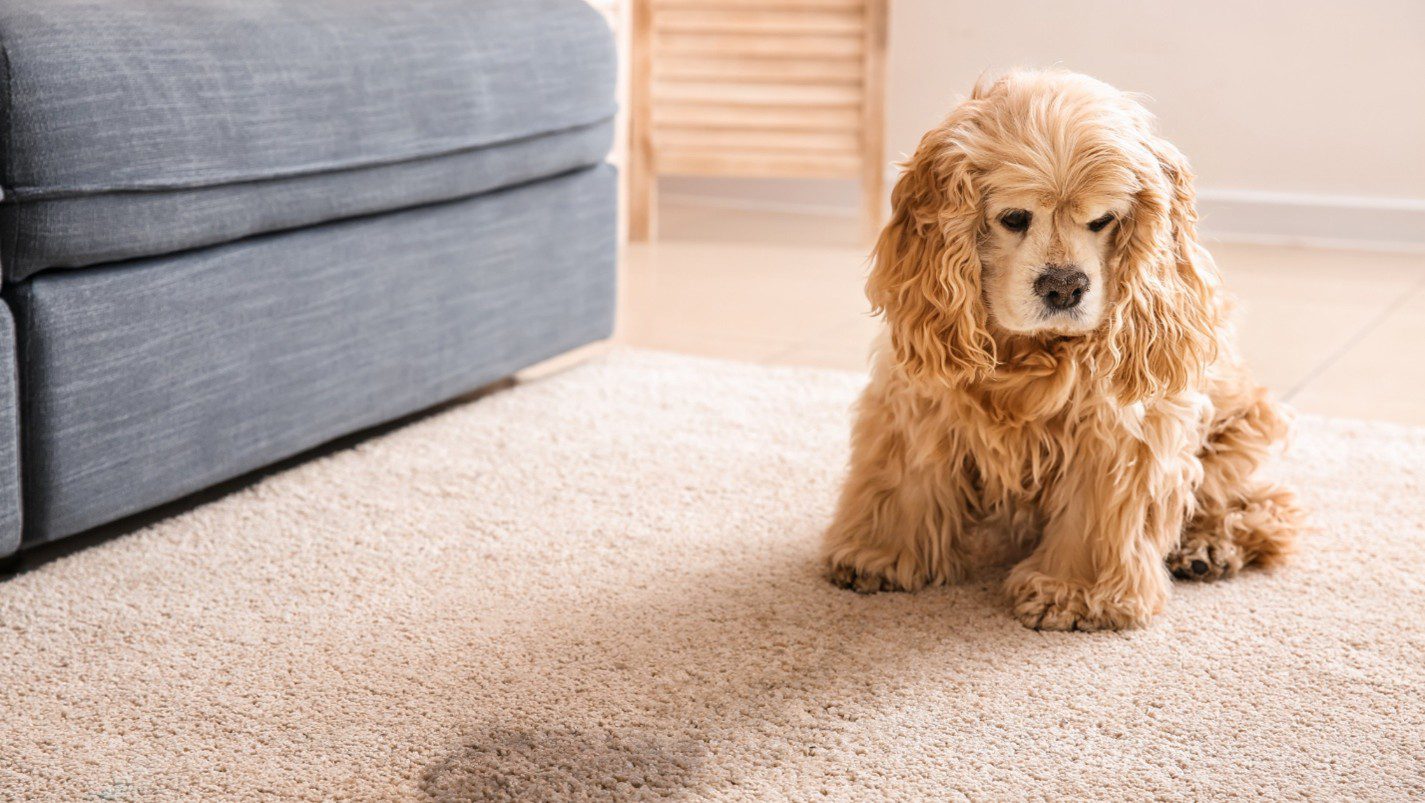
Know When Replacement Enters the Discussion
If repeated incidents have soaked through carpet into pad or subfloor, surface cleaning may not be enough. A professional can discuss whether a localized treatment, pad replacement, or repair is warranted. Avoid promising that every deeply affected material can be saved. The choice depends on extent, material condition, access, and the owner’s goals. A temporary reduction in odor is not the same as resolving the source.
Moisture from a leak or flood also requires a different response. The EPA’s mold cleanup guidance advises fixing water problems and notes that porous carpet can be hard to salvage when mold develops. A persistent musty smell, continuing dampness, or visible mold should be evaluated as a moisture issue rather than treated as an ordinary pet accident.
Prevent a Repeat Without Masking the Problem
Once the source has been identified and addressed, prompt cleanup of new incidents and attention to repeat locations can help. Avoid layering several household products over an old spot; that history can complicate later assessment. Keep a record of where previous treatment was applied and whether the smell returned. If an area rug or upholstered chair is involved, include it in the room evaluation instead of treating only the wall-to-wall carpet.
Questions That Clarify the Scope
Ask whether the professional will inspect only the visible spot or also the surrounding carpet and pad. If the odor is near a baseboard, ask whether wall and subfloor conditions could contribute. A provider may be able to map suspected affected areas, but hidden damage can remain uncertain until materials are opened. Request a plan that distinguishes the initial assessment from any more invasive work.
Also ask how the result will be judged. A room may smell different immediately after a treatment because it is damp or because a temporary product scent is present. Agree on when the area can be evaluated fairly and what happens if the original odor persists. Document the location, materials treated, and any stated limitations. A clear scope is more useful than a blanket “odor-free” promise with no explanation of the underlying materials.
Address the Repeat Location
If a pet keeps returning to one place, cleaning the carpet may be only part of the response. Check whether an old odor remains in the pad or hard surface, and discuss behavior or health concerns with a veterinarian when appropriate. Use a simple incident log for the next few weeks: date, location, cleanup method, and whether an odor developed. This makes a future professional visit more focused and helps distinguish one stubborn old source from new accidents.
Evaluate Each Material on Its Own
An accident that crosses the edge of a rug may involve the rug, its pad, the carpet beneath, and the subfloor. One treatment cannot automatically reach all of them. Move the rug only if it is safe and document the locations of visible marks on both sides. If a sofa is nearby, ask whether the odor follows the cushion when moved. These observations help narrow the source before a provider quotes work. They also keep a homeowner from paying for a whole-room treatment when one damaged pad or localized material needs closer attention.
Frequently Asked Questions
Why does the odor seem worse when it is humid?
Humidity can make existing odors more noticeable. It is a clue to investigate the source, but it does not identify which layer or material is affected.
Will a general carpet cleaning remove old pet odor?
It may help some surface soil, but a deep or recurring odor may need targeted assessment and treatment. Ask what is included.
Should I replace the carpet immediately?
Not always. The decision depends on how far the problem extends and the condition of pad and subfloor. Have the materials assessed before choosing replacement.
Reach out to us online at Bock’s Steam Star or contact us at 913-438-7767 to schedule your next carpet, hardwood floor, or upholstery cleaning service.
As a proud, locally owned and operated company, Bock’s Steam Star has been deeply rooted in the Kansas City metro area since its inception in 1994. Over the years, the company has expanded into a multi-service operation, providing a wide range of cleaning services from hardwood floor cleaning to carpet cleaning.
Despite this growth, we have maintained the personal touch that has made it so beloved by its clients. This is due in large part to our company’s unwavering commitment to prioritizing clients’ health.

Bock’s Steam Star is proud to partner with Water For Good International , and together, we are on a mission to bring clean water, better sanitation, and hygiene education to communities that need them the most.
So, when you choose Bock’s for your carpet deep cleaning, you’re not just getting a cleaner home, you’re also helping make the world a better place.
Follow us on Facebook
 Appointment Today." class="img-responsive" />


